Industry Insights
What Makes a Manufacturing Business Attractive to Buyers?
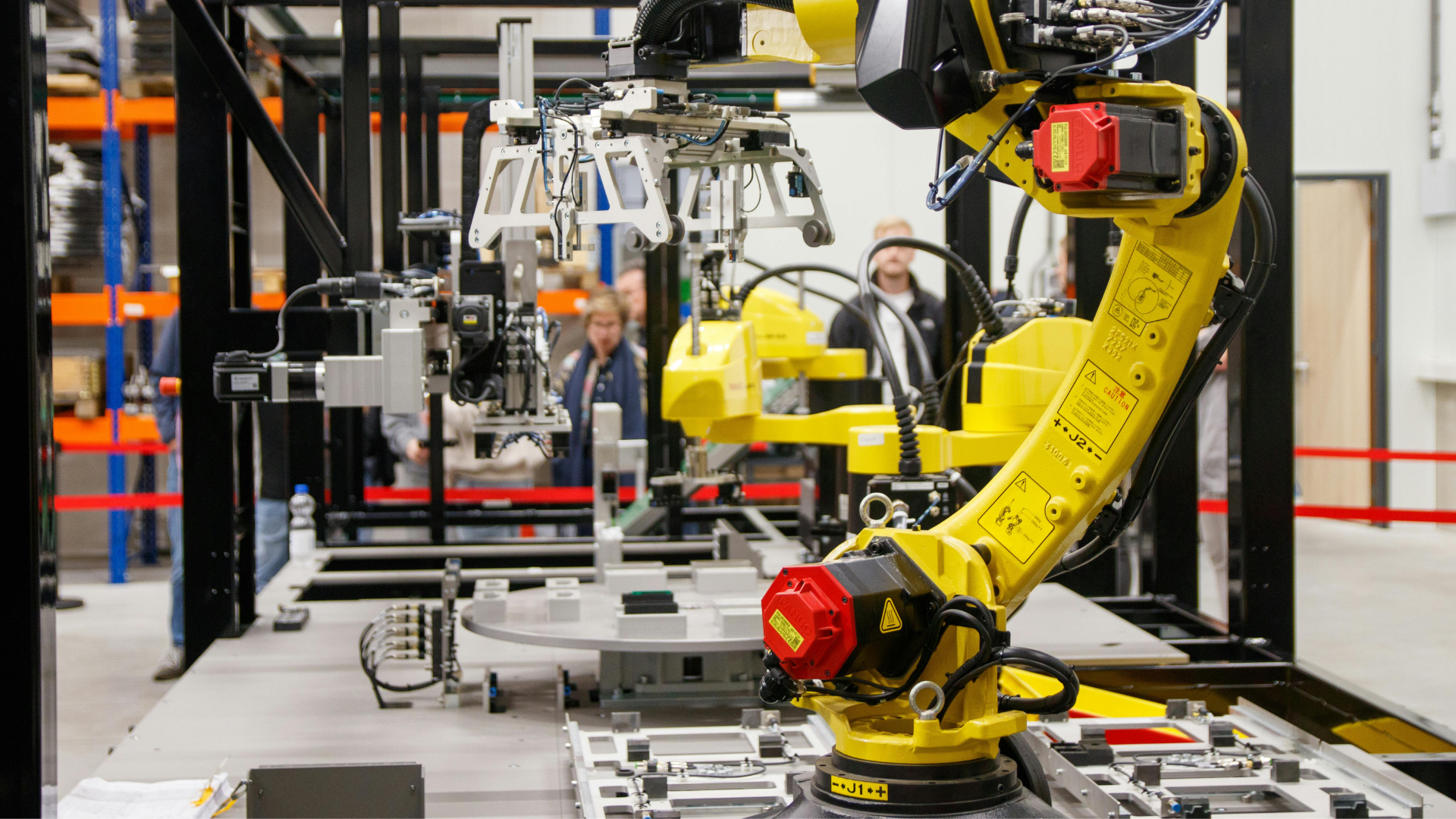
Manufacturing businesses remain some of the most sought-after acquisition targets in 2026. Near-shoring trends, supply chain resilience concerns, and steady domestic demand have kept buyer interest strong. But not all manufacturing companies are equally attractive.
Whether you’re thinking about selling in the near future or simply want to build long-term value, understanding what buyers look for can help you focus your efforts where they matter most.
The Foundation: Consistent Profitability
Buyers pay for earnings power. A manufacturing business with consistent EBITDA margins of 12-15% or higher will command premium valuations. Thin margins, even on significant revenue, signal operational challenges or pricing pressure.
What matters isn’t just the margin itself but its consistency and trajectory. Three years of stable 10% margins tells a better story than alternating between 15% and 5%. Buyers are projecting future cash flows; volatility increases risk and decreases value.
Equipment Condition and Capability
In manufacturing, equipment is often the heart of the operation. Buyers evaluate:
Age and condition. Modern CNC equipment with documented maintenance records signals professional operation. Aging machines needing replacement represent a capital expense the buyer will factor into their offer.
Capability and versatility. Equipment that can handle diverse jobs or materials is more valuable than single-purpose machines. Flexibility means more opportunities.
Utilization rates. Are your machines running at capacity, or is there room to grow without capital investment? Growth headroom is attractive.
Technology adoption. Buyers increasingly look for manufacturers embracing Industry 4.0: automation, data collection, predictive maintenance. These capabilities can command higher multiples.
Customer Diversification
Customer concentration is one of the biggest risk factors in manufacturing M&A. If more than 20-25% of your revenue comes from a single customer, expect pointed questions and potential value reduction.
Buyers worry about what happens if that customer leaves, reduces orders, or demands price concessions. They’ve seen acquisitions where the key customer departed shortly after closing, devastating the investment.
Ideally, no customer represents more than 10-15% of revenue, and relationships are based on contracts rather than handshakes. Long-term supply agreements with renewal history are particularly valuable.
Workforce Depth and Stability
Skilled labor remains manufacturing’s greatest challenge. Buyers pay attention to:
Employee tenure and turnover. Low turnover among skilled workers suggests good culture, competitive pay, and operational knowledge that won’t walk out the door.
Age distribution. If your most skilled employees are all nearing retirement without younger workers being trained, buyers see a knowledge transfer crisis waiting to happen.
Documentation and training. Are processes documented? Is there a training program? Buyers want to know that institutional knowledge isn’t just in people’s heads.
Management capability. A plant manager or operations leader who can run the facility without owner involvement significantly increases value. Buyers are acquiring a business, not a job.
Quality Systems and Certifications
Certifications matter in manufacturing because they open doors to customers who require them:
ISO 9001 is table stakes for many buyers. AS9100 opens aerospace markets. IATF 16949 is required for automotive. Industry-specific certifications demonstrate capability and commitment to quality.
Beyond certifications, buyers evaluate your quality track record: defect rates, customer complaints, warranty claims, and how you handle problems when they occur. A robust quality system with documentation signals lower risk.
The Facility and Location
Physical assets matter in manufacturing more than many industries:
Lease terms. A favorable long-term lease provides stability. A lease expiring soon, or a month-to-month arrangement, creates uncertainty buyers will discount.
Facility condition. A clean, organized, well-maintained facility signals operational discipline. Deferred maintenance suggests other corners might be cut too.
Growth capacity. Is there room to add equipment or shifts? Can you expand in place or will growth require relocation? Growth-ready facilities are more valuable.
Labor market. Access to skilled workers matters. Locations near technical schools or with established manufacturing workforces are more attractive than remote areas where hiring is challenging.
Niche and Competitive Position
Buyers love manufacturers with defensible niches. What makes you hard to replace?
This might be specialized capability that competitors can’t easily replicate. It might be proprietary processes or know-how. It might be certifications that take years to obtain. It might be long-standing relationships with customers who trust you with critical components.
Generic job shops competing primarily on price face margin pressure and commoditization. Specialists who’ve built unique capabilities command premium valuations.
Current Market Dynamics
Manufacturing M&A activity remains robust in 2026, driven by several factors:
Near-shoring continues as companies reduce reliance on overseas supply chains. Manufacturers with domestic capacity are in demand. Private equity firms see platform opportunities in fragmented sectors. Strategic acquirers seek capabilities and capacity they can’t build fast enough organically.
Typical EBITDA multiples for manufacturing businesses range from 4x to 7x, with premium companies reaching higher. Factors like those described above determine where within that range (or beyond it) a specific company falls.
Building Value Over Time
Most of these factors can be improved with time and intention. You can invest in equipment, diversify your customer base, develop your workforce, obtain certifications, and strengthen your management team.
The key is starting early. Meaningful improvements typically take two to five years to fully implement and demonstrate to buyers. Understanding what creates value helps you prioritize where to invest your energy.
If you’re curious how your manufacturing business stacks up or what specific factors might be affecting its value, we’re happy to walk you through it. A complimentary Opinion of Value can identify both strengths to highlight and areas for improvement.
The best manufacturers aren’t built overnight. Neither are the best exits.
Get a Confidential Opinion of Value
If you’d like to know what your company might be worth in today’s market, with no obligation and complete confidentiality, we’d be glad to help.
Fill out our short Seller Questionnaire to request a confidential opinion of value: Start the Questionnaire
Prefer to talk first? Call us directly at (877) 367-0977. One conversation. No pressure. Just clarity.
Meritus Group Business Brokerage — helping owners pass on their legacy with confidence.